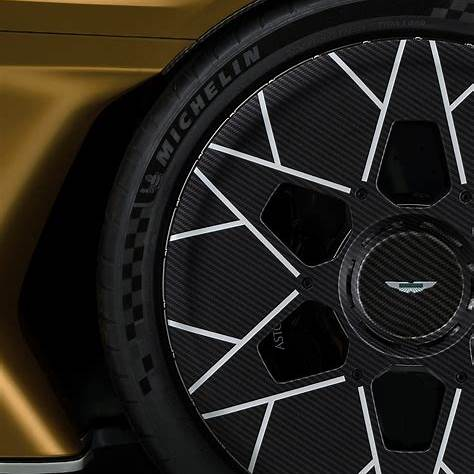
A “lightweight wheel” claim is often used in sales. On the Aston Martin Valiant, weight was treated as a chassis tool, and 21-inch magnesium wheels were installed to improve steering response and wheel control. A 14 kg reduction in unsprung mass was stated by Aston Martin.
For B2B buyers, a simple message is delivered: when a high-power car is built for driver feel, unsprung mass is targeted early—because the suspension is forced to control it on every bump, brake zone, and corner.

What Was Changed, and Why Magnesium Was Selected
Valiant was developed as a more track-focused, manual V12 car, with limited production being reported at 38 units.
To sharpen chassis behavior, several weight-saving parts were used (such as a 3D-printed rear subframe), and magnesium wheels were highlighted as a direct handling upgrade.
Magnesium was selected mainly because it is less dense than aluminum, so rotating and unsprung mass can be reduced without “cheating” by removing strength in the wrong areas. This was also paired with carbon-fiber aero covers to manage turbulence.
Why “14 kg Unsprung” Is Treated as a Big Deal
Unsprung mass is not carried by the chassis like normal cargo. It is moved up and down by the road. When it is reduced:
- steering response is usually made quicker
- tire contact is often kept more stable over bumps
- braking stability is commonly improved on rough surfaces
That is why the 14 kg unsprung mass reduction was placed in the official highlights, not hidden in a spec sheet.

FAQ: What Should Be Asked Before Magnesium Wheels Are Purchased
1) Is magnesium right for every program?
Not always. Magnesium is best used when weight sensitivity is high (track builds, performance flagships, premium EVs where mass is already high). A clear duty cycle should be defined first.
2) What risks must be controlled?
These points should be controlled by process, not promises:
- corrosion protection (coating system + edge sealing)
- impact and fatigue verification (real reports, not templates)
- heat environment near brakes (track heat load must be considered)
A wheel close-up is useful here, because surface design and cover design can be reviewed fast.
3) What documents should be demanded from a supplier?
For B2B orders, these should be requested before mass production:
- material grade and heat-treatment record (per batch)
- runout and balance targets + inspection method
- fatigue/impact test plan + traceable reports
- coating stack details (primer/topcoat, adhesion standard)
- packing method (wheel face and edge must be protected)

Procurement Takeaway for Performance Wheel Programs
On Valiant, the wheel was not treated as decoration. It was treated as a chassis component, and magnesium was used to remove unsprung mass where real driving feel is shaped.
At FLEXIFORGED, custom forged wheel projects are supported for B2B buyers with CNC capacity and controlled finishing. Clear drawings, clear inspection targets, and complete invoice details are expected to be delivered—so delays, disputes, and paperwork risk can be reduced for European and North American importers.