
Wheels / Forged Deep Dish
Forged Deep Dish Wheels: The Lip Is an Equation
Forged deep dish wheels carry a deep, open outer lip between the spoke face and the rim edge — and that lip is not a style option you tick. It is what happens when width meets the right offset: the wider the wheel and the deeper the face sits, the more dish there is to show. We engineer the equation per car, put it on a drawing you approve, and build it — 15–26", native to 2-piece and 3-piece construction, MOQ 4 pcs.
- Designed & inspected in-house
- 60+ CNC at our group's plant
- ISO & IATF 16949 certified plant
- MOQ from 4 pcs
- Worldwide export
Where does the dish actually come from?
Look at the wheel from the side: the dish is the open lip between the outer rim edge and the spoke face. It exists because the face sits inboard — which takes two ingredients working together: width gives the lip room to exist, and offset (ET) positions the face deep in the barrel. Same diameter, radically different wheel:
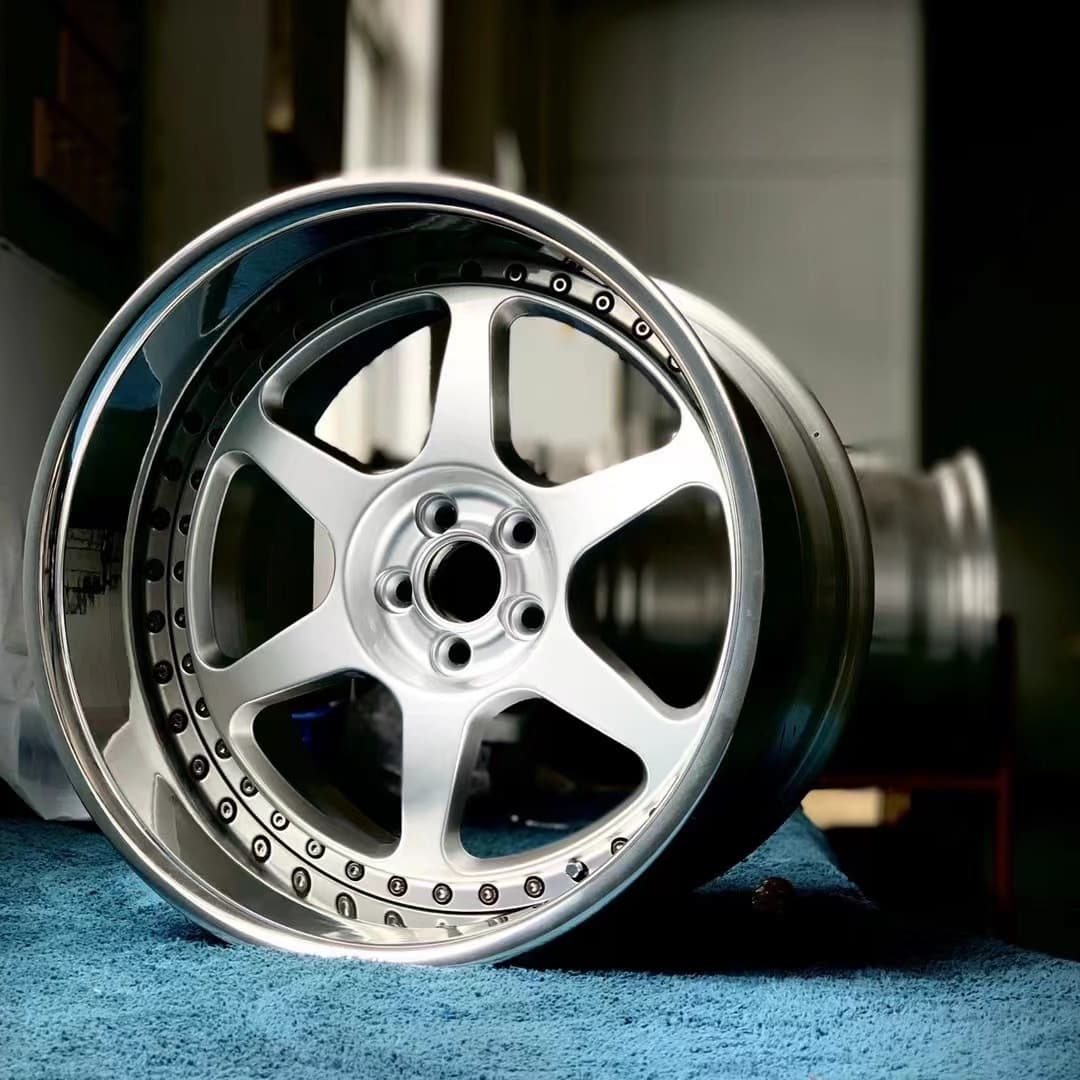
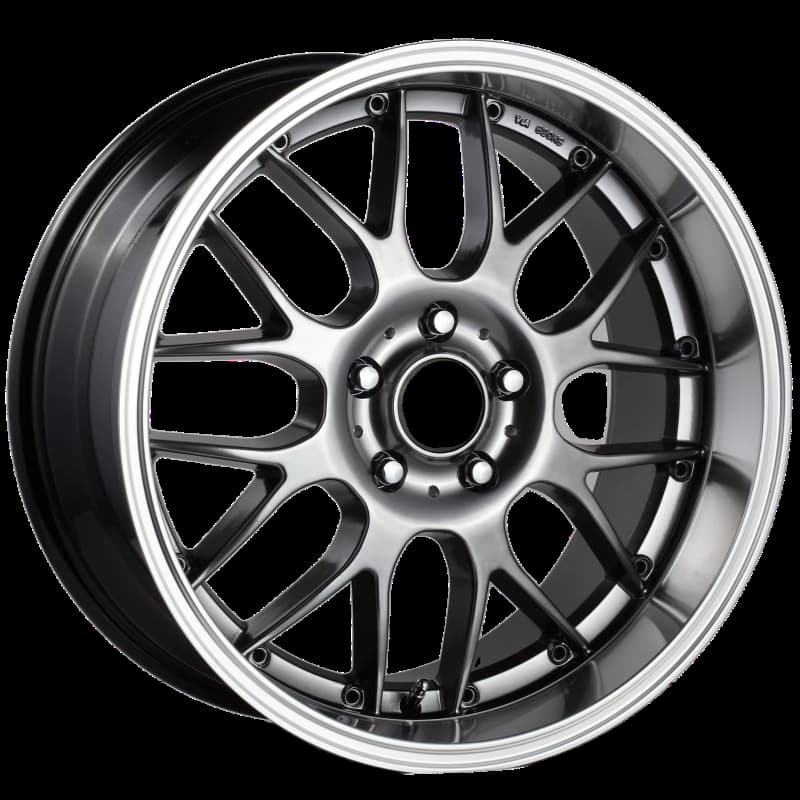
Which construction is the dish's native home?
An honest answer competitors' dish pages tend to blur: 2-piece and 3-piece. On multi-piece wheels the lip lives in the spun rim section — depth is built from the rim, not carved out of solid metal. A monoblock can carry a moderate dish machined into the one-piece design, but a truly deep lip on a monoblock means cutting the dish from a much larger billet: heavier and costlier for the same look.
| Construction | How the dish is made | The honest read |
|---|---|---|
| Monoblock | Machined into the one-piece design | Moderate dish only — deep lips waste billet and add weight |
| 2-Piece | The spun rim section carries the lip | One centre design, dish depth per width — efficient and clean |
| 3-Piece | A dedicated outer lip component | The deepest dishes, stepped lips — and a kerbed lip is replaced as a part |
The kerb clause: the dish is the most kerb-exposed element of any wheel — it literally leads with its chin. On 3-piece, that risk costs a replacement lip instead of a replacement wheel. If your roads have kerbs, that fact is worth more than any styling argument on this page.
Deep dish and concave: different dimensions, freely combined
Buyers mix the terms, so here is the clean split: dish is lip depth; concave is the spoke face curving toward the hub. They are independent dimensions of the same wheel — and the combination is the show-stopper: a concave face falling away behind a deep open lip. The second photo below is exactly that wheel:
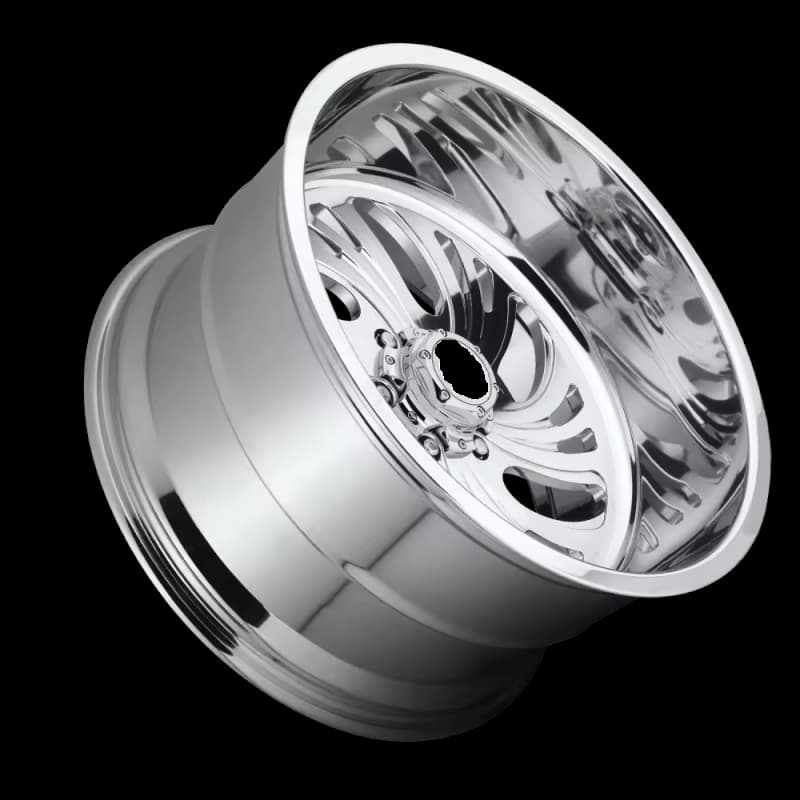
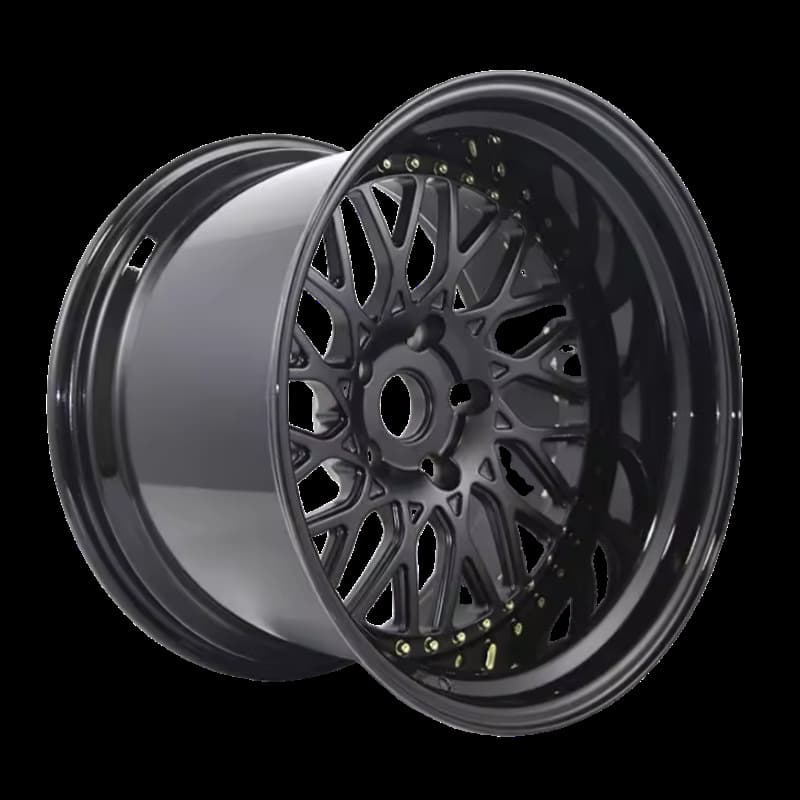
On finish: the polished lip is the dish's classic language — and polished ships bare, no clear coat, which means owner maintenance or oxidation. We say that before you order, not after it hazes. Two-tone — colour face, contrast lip — buys most of the look with easier living; both add about 5 working days. Full layer-type logic on finishes.
Forged deep dish wheels FAQ
What are deep dish wheels?
Wheels with a deep, open outer lip between the spoke face and the rim edge — the face sits inboard, and the exposed lip is the dish. Width and offset create it together. Dish is a lip dimension, distinct from concave, which is the spoke face curving toward the hub.
How deep can the lip go on my car?
Lip depth is an equation, not a menu: width plus ET set what's possible, and the load rating sets what's safe. A wider wheel with a suitable ET carries a deeper dish; the same design on a narrow fitment has less lip to give. We engineer it per vehicle and show it on the drawing you approve — there's no fixed lip-depth series to pick from.
Deep dish vs concave — what's the difference?
Dish = lip depth between spokes and rim edge. Concave = the spoke face curving toward the hub. Independent dimensions, freely combined — a wheel can run both at once, and 3-piece is the natural platform for the combination.
Which construction is best for deep dish?
2-piece and 3-piece — the lip lives in the spun rim section, so depth is built rather than carved from solid. A monoblock carries moderate dish only; a deep lip on one piece means a much larger billet, heavier and costlier. For serious dish plus a replaceable lip, 3-piece.
How do I look after a polished lip?
Honestly: polished aluminium ships bare — no clear coat, because coating dulls the mirror. Bare metal needs periodic re-sealing and polishing, or it oxidises. That's stated before ordering. A two-tone or powder-coated lip trades a little mirror for much easier living — details on finishes. Polished and two-tone each add about 5 working days.
What happens when a deep dish lip gets kerbed?
On 3-piece, the lip is replaced as a part while the centre lives on — and we supply replacement lips for our own wheels and for BBS, Work, OZ and most other multi-piece makers, made to measurements. Caveat: freight on a single lip often costs more than the lip; consolidate through a dealer where possible — the maths is here.
Send your width and ET. See how much lip they buy.
Size front & rear, PCD, ET, CB, finish, quantity — pricing and a drawing come back showing the dish your fitment carries, load rating included. Nothing is cut until you approve it. From 4 pcs, worldwide.
FLEXIFORGED — Shapingba District, Chongqing, China · Founded 2017 · jackie.wei@flexiforged.com · +86 178 3048 5180